
Conquering Dental Anxiety: Practical Tips and Clinical Solutions

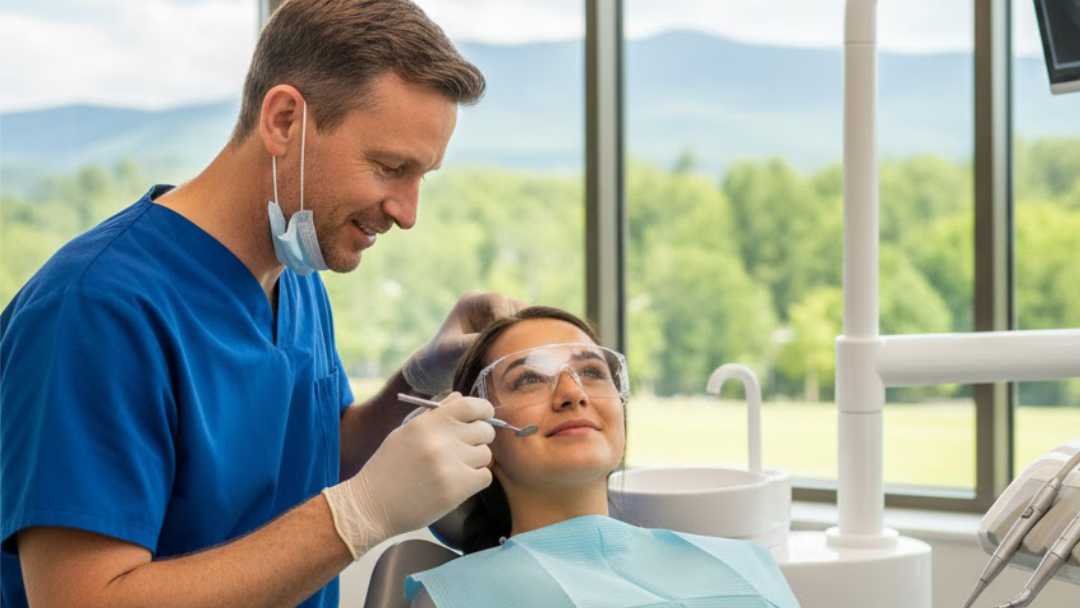
Feeling anxious about dental visits is common—studies show that nearly half of adults experience some level of dental anxiety, and about 26 % report moderate to severe anxiety. This fear leads many people to skip appointments, contributing to untreated dental issues in nearly 26 % of adults aged 20–44. The good news is that there are evidence‑based strategies to manage anxiety and sedation options that can make dental care more comfortable.
Understanding Dental Anxiety
Dental anxiety can stem from various factors, including past painful experiences, fear of needles, feelings of helplessness and sensitivity to sounds or smells. Many patients worry about pain, gagging or not being able to control the situation . Talking to your dentist about your concerns is the first step in managing these fears. A compassionate provider will listen, explain each step of your treatment and allow you to signal if you need a break.
Coping Strategies to Try at Home
- Deep Breathing: Slowly inhale through your nose, hold for a few seconds and exhale through your mouth. This simple technique triggers relaxation.
- Visualization: Imagine yourself in a calming environment, such as a beach or forest, to distract your mind during treatment.
- Distractions: Listening to music or podcasts can shift your focus away from the procedure.
- Progressive Muscle Relaxation: Tense and relax different muscle groups sequentially to release physical tension.
- Guided Imagery and Meditation: Focus on your breath or a calming word to reduce stress.
- Professional Support: Cognitive‑behavioral therapy (CBT) can address the underlying thoughts and behaviors associated with dental phobia.
Sedation Options for Comfortable Dental Care
For patients with moderate to severe anxiety or those undergoing lengthy procedures, sedation can make dental visits manageable. The American Dental Association (ADA) notes that inhaling a combination of nitrous oxide and oxygen is a safe and effective method for managing pain and anxiety . Nitrous oxide works quickly, wears off rapidly and allows patients to drive themselves home after the procedure . Minimal sedation—often delivered as nitrous oxide, oral medicine or a combination—relaxes patients while maintaining consciousness and normal breathing.
Oral conscious sedation involves taking a prescription medication like triazolam before the appointment . It produces deeper relaxation but still allows you to respond to verbal commands. Intravenous (IV) sedation provides a deeper level of sedation for longer or more invasive procedures . For complex cases or those involving children or individuals with special needs, general anesthesia may be used under the care of a dental anesthesiologist.
Creating a Supportive Environment
Choose a dental practice that prioritizes patient comfort. Look for an office that appears clean and organized, provides clear explanations about fees and treatment plans, and schedules appointments that fit your needs . Discuss sedation options during your initial consultation and ask about the dentist’s qualifications to administer sedation safely. Remember that most dental anxiety is manageable. With the right coping strategies and a supportive dental team, you can take control of your oral health without fear.
Conclusion
Dental anxiety doesn’t have to stand between you and a healthy smile. By employing relaxation techniques, communicating openly with your dentist and exploring sedation options, you can transform dental visits into positive experiences. Overcoming your fears today will help you maintain your oral health and prevent more serious problems in the future.