
How Regular Dental Checkups Protect Your Smile and Overall Health

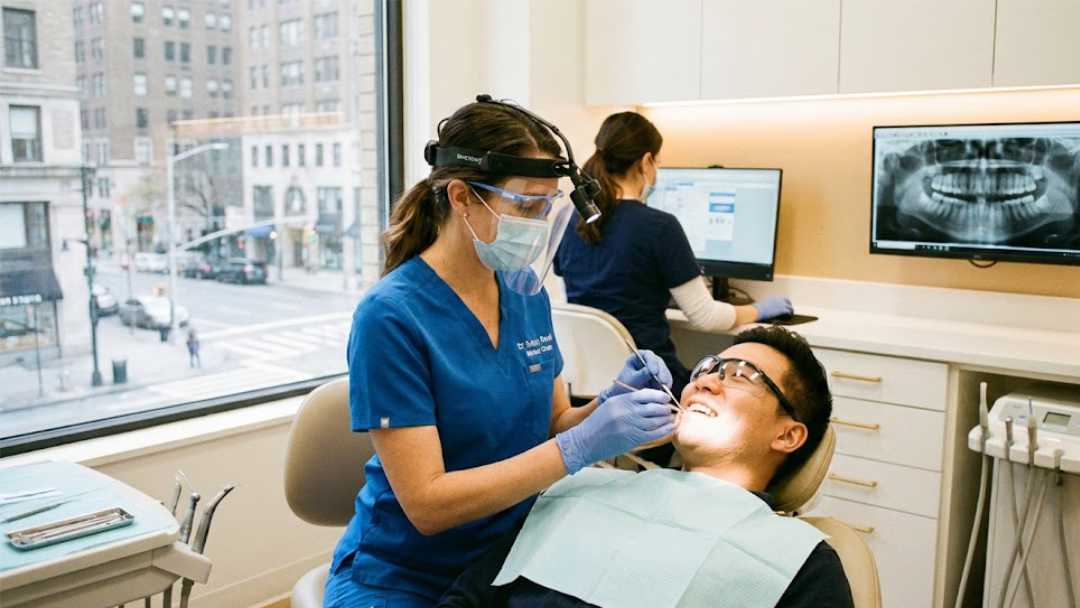
Maintaining a healthy smile requires more than daily brushing and flossing—it also depends on regular professional care. A surprising number of Americans—about 100 million—fail to see a dentist each year, even though routine examinations and good oral hygiene can prevent most dental disease . By understanding what happens during a checkup and why it matters, you can see how these appointments safeguard both your mouth and your overall health.
What Happens During a Dental Checkup?
When you arrive for your exam, the dental team will review your medical history and ask about any recent changes in your health. This step is important because medical conditions—such as diabetes, heart disease or pregnancy—can affect your oral health and influence treatment plans . A dental hygienist will then examine your gums to check for signs of inflammation or periodontal disease, take X‑rays if necessary to detect problems below the surface, and gently remove plaque and tartar from your teeth . After your cleaning, your dentist performs a thorough exam of your teeth, gums, tongue and jaw, looking for cavities, cracks, infections and even signs of oral cancer . Many dentists also conduct an oral cancer screening by holding your tongue with gauze and feeling the tissues of your mouth, jaw and neck .
Why Preventive Visits Matter
Regular checkups are your first line of defense against oral diseases. Catching cavities and gum disease early means they can be treated with minimal interventions; untreated, they can lead to tooth loss and infection . Professional cleanings remove hardened plaque (tartar) that brushing alone cannot reach . Beyond the mouth, good oral health is linked to systemic health. Oral bacteria and inflammation are associated with conditions like cardiovascular disease, pregnancy complications, diabetes and pneumonia . Routine dental care helps identify these issues in their earliest stages and reduces risk factors that could harm your overall well‑being.
How Often Should You See the Dentist?
There is no one‑size‑fits‑all schedule for dental visits. The American Dental Association notes that some people need to visit once a year while others benefit from twice‑yearly visits or more, depending on their risk factors . Talk to your dentist about your medical history, habits and oral health goals to determine the frequency that suits you. If you are pregnant, have a family history of gum disease or tooth decay, smoke or use other tobacco products, or have conditions like diabetes or heart disease, you may need more frequent monitoring.
Preparing for Your Next Appointment
- List your concerns: Make a note of any sensitivity, pain or changes in your mouth to discuss with your dentist.
- Update your medical history: Bring an updated list of medications and medical conditions so the team can tailor treatment to your needs.
- Practice good home care: Brush twice a day with fluoride toothpaste and floss daily; these habits complement professional care .
- Eat a balanced diet: Limiting sugary snacks and drinks reduces cavity risk .
- Plan ahead: Schedule your next visit before you leave the office, and pick a time when you typically feel relaxed.
Conclusion
Regular dental checkups are an investment in your health and happiness. They provide the opportunity to catch problems early, prevent oral diseases and monitor your overall well‑being. By partnering with your dental team, you’ll enjoy a healthy mouth and the confidence that comes with a bright, long‑lasting smile.